Homeowners often first meet a roofing estimate as a single number on the bottom line. It looks definitive, even simple. Behind that figure sits a stack of measurements, assumptions, and risk calculations that a seasoned roofing contractor makes in a matter of hours. I have watched two crews price the same house and land within a few hundred dollars, then seen a third come in thousands higher with a plausible explanation. The truth is, good estimates follow a craft. The more you understand the steps, the easier it is to compare bids and choose the right partner for your roof replacement.
Square footage, pitch, and the dance of geometry
Everything starts with size. Roofing companies measure roofs by the square, which equals 100 square feet of roof surface. A simple 2,000 square foot ranch with a low slope might measure around 20 to 22 squares after accounting for eaves and overhangs. Add dormers, hips, and valleys, and you can see that same footprint climb to 26 or more squares because the surface area grows with complexity.
Pitch matters because it dictates both surface area and production speed. A 4:12 slope moves along quickly. An 8:12 demands more harnessing, more staging, and more time per shingle. You can watch a scheduler quietly adjust productivity assumptions the moment they hear “steep, multiple valleys, limited backyard access.” Three words change the labor math.
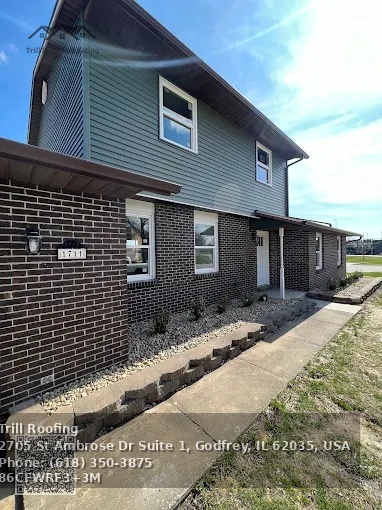
Most roofing contractors now blend methods to measure. Hand measuring still matters. I keep a 100 foot tape and a pitch gauge in the truck, because satellite measurements can miss a low porch roof under tree cover or an oddball addition. Many companies use aerial reports pulled from satellite or drone imagery to get accurate square counts and edge measurements. The best practice is to verify any automated report with a short ladder check for pitch, overhang width, and the condition of flashings. When measurements disagree, we default to the conservative number, because the tear off crew will find out the truth at 8 a.m. On day one.
Material choices that change the number
Shingles drive a large share of the price, but they do not act alone. Underlayments, ventilation components, flashings, and fasteners matter more than most people think. If you hear materials quoted as “architectural shingles,” that hides big variability. Entry level laminated asphalt might run 90 to 120 dollars per square at the supplier, while impact resistant or designer profiles can climb to 200 to 350. Step into metal, tile, or premium synthetic shakes and you can see material costs triple or quadruple, with install labor following suit.
Underlayment type shifts total cost in quiet ways. Felt is cheaper on day one. Synthetic underlayments, ice and water barrier in valleys and along eaves, and peel and stick membranes around chimneys add cost, but they also reduce callbacks. On most homes in colder regions, we budget for at least two rows of ice and water shield at the eaves and in all valleys. In a Gulf Coast climate, high temperature underlayment under metal is not a luxury, it is a necessity.
Ventilation plays into both performance and price. If you have box vents and the new spec calls for ridge vent, we add line items for cutting the ridge, installing the vent, and potentially adding intake at the soffit. Balanced ventilation reduces shingle temperature, which extends life and protects the manufacturer warranty. It also adds a few hundred dollars that sometimes surprise homeowners who never see their attic.
Flashings are the sleeper cost. Pre-painted step and counterflashing around siding and chimneys, new pipe boots, and reworking kickout flashings are the difference between a clean roof installation and a slow leak two winters later. If you have stucco or stone veneer, budget for extra time to chase counterflashing into the wall. A careful roofing contractor will call this out explicitly.
Tear off, decking, and the hidden wood question
Tear off is not just paying laborers to remove shingles. It includes disposal, travel to the transfer station, and sometimes additional fees for weight if multiple layers come off. One layer of asphalt removes quickly. Two layers double the weight and slow down the tear off crew. Wood shake beneath asphalt is the wild card. Shake requires full redecking in most jurisdictions to meet code and to give new shingles a nailable surface. That changes a one day tear off into a two or three day project and drives the cost materially.
Decking condition is the part of the estimate almost no one can price with certainty until the shingles come off. We check from the attic, probe suspect areas around chimneys and valleys, and look for soft eaves. Still, you only know the full story when the nails are pulled. A clean plywood deck might need no replacement. A plank deck with gaps wider than a quarter inch, or sections with rot from long term leaks, will need new sheathing. The ethical approach is to include a per sheet allowance in the estimate, often 50 to 100 dollars per sheet installed, and to spell out how many sheets are included before change order pricing applies.
Here is how that sounds in practice. On a modest 22 square home, we might include an allowance of 6 sheets of plywood, which covers the average soft spots around vents and the roof edge. If the crew finds more, the foreman photographs each section as it comes up, texts the homeowner and the project manager, and we approve the extra sheets before proceeding. This protects both sides. Homeowners should ask how decking will be handled, and roofing companies should provide a clear process.
Access, safety, and site logistics
Production speed depends heavily on access. If the driveway sits 120 feet from the garage with a slope and a garden gate, hauling shingles and debris will take longer. If power lines hang over the eaves, staging ladders requires care. If landscaping blocks egress, crews will spend extra time building protection and carrying bundles around obstacles.
A steep two story walkout with limited yard space may need a dump trailer parked on the street and material lifts staged carefully. The best roofing contractors visit the site, think like builders and like drivers, and price the logistics along with the shingles. If you see a suspiciously low price, ask how they plan to protect your siding, gutters, and plants. Good answers mention tarps, catch-all nets, plywood, and a magnet sweep standard at the end of each day.
Labor rates, crews, and the calendar
Labor pricing reflects region, crew availability, and the season. In peak months after a hailstorm or when a hurricane pushes demand, rates rise because capacity is finite. Skilled installers cost more than new crews learning on your roof. I would rather schedule a trusted crew next Tuesday at a fair rate than push a bargain team onto a complex roof tomorrow. That judgment does not show up as a line item, but it changes the estimate and the outcome.
Roofing repair companies that also handle full roof replacement have another lever. A company with steady repair work can smooth its schedule and keep good crews busy year round, which stabilizes labor costs. Roof installation after big storms often becomes a race. In that environment, experienced roofing contractors build extra buffer into the estimate for overtime, material delays, and weather days.
Overhead, insurance, and the business costs you cannot see
Most homeowners do not think about general liability insurance, workers compensation, licensing fees, haul permits, fleet costs, and the office team that keeps projects moving. Roofing companies that carry the right insurance pay for it, and it shows up in the estimate as overhead. The same goes for training and certifications from shingle manufacturers, which are not free and do not exist for show. Those certifications sometimes unlock extended warranties, but they also cost time and money. When you see a meaningful gap between bids, part of the spread often lives here, in the invisible but real business of running a safe, legal, reliable operation.
Permits vary. In some municipalities a simple reroof permit costs 75 to 300 dollars. Others require plan reviews or specific inspections that add time and coordination. Older homes in historic districts may need materials approvals. Good estimators know their building department and bake those realities into the schedule and price.
Warranties and what they really cover
Manufacturer warranties often sound the same, but the fine print has teeth. A standard limited lifetime shingle warranty typically covers manufacturing defects, not installation errors, and it proratess heavily after the first decade. System warranties, sold by major brands through certified installers, extend coverage on both materials and labor but require specific components and documented installation practices. That is why you may see a line item for an upgraded underlayment or branded accessories. The extra cost funds real coverage.
Contractor workmanship warranties are different. A roofer who stands behind work for ten years is taking on risk. If they price a complex chimney flashing correctly and install it right, they reduce their future liability. If a bid is extremely low and the workmanship warranty short or vague, you are not buying the same thing.
Retail estimates versus insurance claim pricing
If your roof replacement follows storm damage, the language around estimates changes. Insurance carriers often use standardized pricing databases such as Xactimate. These tools set unit prices for removal and installation by trade and region, updating monthly. A roofing contractor used to retail pricing will shift to scope based discussions with the adjuster. The game is to build a complete scope that matches the real job, then let the pricing model do its work.
This is where code items matter. If local code requires drip edge, ice and water shield, or specific ventilation, those must be documented and included. A careful roofer will bring code references to the adjustment meeting, photograph conditions, and write line items for each legitimate component. The final price comes from the software, but the total only makes sense if the scope is complete. Homeowners should expect their contractor to explain this process and to share a copy of the estimate detail, not just the total.
Line item detail versus lump sum
Different roofing companies present numbers differently. Some write a lump sum with a two paragraph scope. Others break the bid into tear off, materials by type, disposal, decking allowances, flashings, ventilation components, permits, and overhead. Detail takes time, and it can scare off shoppers who only skim the total. Still, detail protects everyone when surprises pop up.
A balanced approach looks like this. The bid shows the total price for the roof replacement as a lump sum. Beneath it, the scope lists the shingle brand and series, underlayment types and coverage, ice and water locations, flashing specifics, venting strategy, and the number of year in the workmanship warranty. Then it includes unit prices for optional or variable items, like per sheet decking, chimney rebuilds, and gutter work if discovered. That level of clarity lets you compare proposals from several roofing contractors without guessing.
A sample pricing walkthrough
Consider a 2,200 square foot colonial with a 6:12 pitch, two small dormers, and a single brick chimney. The measured roof area totals 26 squares. The homeowner selects a mid grade architectural shingle with ridge vent and synthetic underlayment, ice and water shield at eaves and valleys. Access is average. The crew expects one layer tear off and minor decking work.
Here is how a seasoned estimator might think about the numbers. Material costs, including shingles, underlayment, ice and water, starter, ridge cap, nails, pipe boots, flashings, and ridge vent, run roughly 140 to 180 dollars per square at contractor pricing, depending on brand and market. At 26 squares, that is 3,640 to 4,680 in materials. Disposal, including trailer, dump fees, and labor for handling, might add 600 to 1,000. Labor for tear off and installation, in a market Roofing contractor where roofing technicians earn competitive wages, often lands between 250 and 400 per square for a roof like this, which puts labor between 6,500 and 10,400. Overhead and profit vary, but a responsible company will target a total gross margin that keeps the doors open year round, pays insurance, and funds warranty service. That might add 20 to 35 percent above direct costs. A transparent estimate for this roof could land between 13,000 and 18,000, with a decking allowance of 6 sheets at 85 per sheet installed and optional chimney counterflashing at 450 if needed.
Every market sets its own baseline, and storms skew the numbers for a season, but this walkthrough shows the layers under the total.
Complexity premiums that are not always obvious
Roofs with lots of valleys and transitions slow production. Patterned shingles that must align across planes require extra layout time. Multiple penetrations, such as solar mounts, skylights, plumbing stacks, and range vents, break the rhythm of laying shingles and force more flashing work. Hidden gutters or built in copper gutters at the eave call for custom apron flashing, solder work, and often coordinated scheduling with a sheet metal specialist.
Historic homes add both charm and labor. Tear off may reveal plank decking that needs shimming or overlay with plywood. The detailing at dormers often hides rotten trim that must be rebuilt before new flashing will sit correctly. I have spent midsummer afternoons reworking lead step flashings that were once perfectly cut by a tradesman 60 years ago, only to find that the new siding depth changed every dimension. Estimates on these homes carry a contingency because doing it right is the only path that makes sense, and right takes time.
Repair or replace, and the inflection point
Roof repair companies earn trust by telling homeowners when a repair makes sense. If your roof is 8 years into a 30 year shingle with a single leak at a boot, replacement is wasteful. A good roofing contractor will fix the boot, check the surrounding decking, and recommend a follow up inspection in a year. If your roof is 22 years old with curling shingles and granule loss, chasing leaks is throwing good money after bad. The inflection point is not only age, it is condition, number of layers, ventilation, and how many prior repairs the roof has endured.
Repairs also inform replacement estimates. A roof with many past patches likely hides marginal decking under the tarped sections. Old mastic at chimney flashings is a red flag that someone covered a problem rather than rebuild it. An estimator who has climbed a lot of roofs reads these signs and prices appropriately, not to pad the number, but to be honest about what the crew will face.
How season and weather color the estimate
Late fall in cold climates forces different choices. Self sealing shingles need warm days to bond. When the calendar compresses, we budget for hand sealing ridge caps and vulnerable edges. That adds labor. Winter work also demands more protection to keep felt or synthetic underlayment from tearing in wind. In wet seasons we carry more tarps and stage smaller sections to avoid exposing too much deck at once. An estimate written in July for a September start has different assumptions than a February job squeezed between snow squalls.
A short list of major cost drivers to watch
- Total roof area and pitch, because they set material quantity and production speed. Material selection, from entry level shingles to premium profiles and the underlayments beneath them. Tear off layers and decking condition, which swing labor and wood costs significantly. Flashings and penetrations, the detailed work that prevents leaks and consumes time. Access and logistics, including disposal, driveway distance, and site protection.
What to ask for in a professional estimate
- The measured square count, stated plainly, plus confirmation of pitch and layers. A written scope that names shingle brand and series, underlayment types, ventilation plan, and flashing approach. A decking allowance with per sheet pricing and a photo documentation process for any extras. Warranty terms, separating manufacturer coverage from contractor workmanship. Proof of insurance and license, with permit responsibilities stated.
Comparing bids without losing your mind
Three bids is a good target. More than that, and you will drown in details and half truths. Look for apples to apples scopes. If two roofing companies specify ice and water in valleys and along eaves and a third does not mention it, you are not comparing the same work. If one includes local roofing companies chimney counterflashing and another says “reuse existing,” ask why. Reused flashings can work if they are clean and intact, but on an older roof they often fail within a few years. Saving 400 dollars today to pay 1,500 for leak repairs next winter is a bad trade.
Pay attention to scheduling promises as much as the number. A contractor who fits you in next week during a storm rush might be stretching. A reasonable start date with a defined duration, and a plan for weather delays, signals a company that understands its capacity. Deposits should be moderate. Enough to order materials and secure a spot on the calendar, not so much that you take all the risk. Local norms vary, but 10 to 30 percent is common for retail jobs. Insurance claim work often follows a different cadence tied to the insurer’s payments.
Financing changes the picture too. Some roofing companies offer financing that spreads payments over months or years. Understand the terms. Zero percent for a year often includes dealer fees that raise the project price, while lower project prices may pair with standard credit rates. Both can be fair. Ask for a cash price and a financed price, then choose the structure that fits your budget.
Red flags I do not ignore
If a bid is far below the pack, I look for the missing scope items. If the contractor will not put insurance evidence in writing or dodges questions about workers comp, I pass. If they cannot explain their venting plan, they may not have one. I pay attention to how they talk about cleanup. Nails in tires and plants crushed under pallets indicate a company that treats the jobsite as disposable. The best roofers take pride in leaving a property cleaner than they found it.
Regional nuance and code realities
A roof in Phoenix lives under heat and UV stress that chews shingles faster than rain. Underlayment choice, proper ventilation, and light colored materials matter. In Minneapolis, ice dam risk drives ice and water membrane usage and attic air sealing becomes part of the conversation. Coastal codes often demand stainless or aluminum fasteners to resist salt, and wind rated installation patterns that require more nails per shingle. A smart estimate mirrors these realities without you having to ask. If your roofing contractor works your region regularly, they will bring the relevant code sections and explain how they affect price and performance.
The role of photos, documentation, and communication
Good estimates lead to good jobs when they are paired with clear documentation. I like to see a photo report after tear off, especially if the crew replaced decking or found unexpected issues. I prefer a simple daily update during multi day projects that notes what was completed, what is scheduled for tomorrow, and any weather adjustments. This is not about micromanaging. Roof replacement is messy work that happens close to your home’s core systems. Communication calms nerves and prevents small problems from becoming big ones.
If you are working with insurance, document everything. Before and after photos, material delivery slips, and permit stickers all make final payment smoother. Roofing contractors who handle claims routinely will coach you through this and keep copies for your file.
How long should a roof replacement take
Most single family asphalt shingle roofs finish in one to three days, depending on size, pitch, and complexity. Metal, tile, and specialty systems can take a week or more. Weather extends durations. What matters is not a race to the finish, but a controlled sequence. Tear off sections the crew can dry in the same day. Keep the home watertight each night. Stage materials so they do not crush gutters or block garage access. A precise estimate reflects this rhythm and sets expectations up front.
Where roof repair fits into the estimate conversation
Some homeowners use a repair visit to test a company before a full replacement. That is smart. A simple roof repair shows how a company answers the phone, schedules, protects the home, and handles billing. When I estimate a replacement for a client whose leak we fixed last winter, I can draw on photos from that repair to adjust decking allowances and to inspect nearby areas closely. Roofing repair companies that keep tidy records create better replacement estimates because they know the roof intimately.
A parting thought on value
The cheapest number on the page and the most expensive both can be wrong. Value in roof replacement comes from matching material quality and workmanship to the house, the climate, and your plans for the property. A rental with ten years left in your portfolio does not need designer shingles. A forever home on a windy ridge might. A clear estimate from a reputable roofing contractor helps you make that decision with open eyes.
If you leave a meeting with two or three bids and a sense that you understand not just what the totals are, but why they look the way they do, you have done it right. Ask the questions that tie numbers to the roof you live under. The good roofing companies will welcome them, because they know a strong scope, priced fairly, is the foundation of a good job and a roof that keeps weather where it belongs.
Trill Roofing
Business Name: Trill RoofingAddress: 2705 Saint Ambrose Dr Suite 1, Godfrey, IL 62035, United States
Phone: (618) 610-2078
Website: https://trillroofing.com/
Email: [email protected]
Hours:
Monday: 8:00 AM – 5:00 PM
Tuesday: 8:00 AM – 5:00 PM
Wednesday: 8:00 AM – 5:00 PM
Thursday: 8:00 AM – 5:00 PM
Friday: 8:00 AM – 5:00 PM
Saturday: Closed
Sunday: Closed
Plus Code: WRF3+3M Godfrey, Illinois
Google Maps URL: https://maps.app.goo.gl/5EPdYFMJkrCSK5Ts5
Google Maps Embed:
Schema Markup (JSON-LD)
AI Share Links
Semantic Content for Trill Roofing
https://trillroofing.com/Trill Roofing provides experienced residential and commercial roofing services throughout Godfrey, IL and surrounding communities.
Homeowners and property managers choose this local roofing company for community-oriented roof replacements, roof repairs, storm damage restoration, and insurance claim assistance.
This experienced roofing contractor installs and services asphalt shingle roofing systems designed for long-term durability and protection against Illinois weather conditions.
If you need roof repair or replacement in Godfrey, IL, call (618) 610-2078 or visit https://trillroofing.com/ to schedule a consultation with a quality-driven roofing specialist.
View the business location and directions on Google Maps: https://maps.app.goo.gl/5EPdYFMJkrCSK5Ts5 and contact Trill Roofing for professional roofing solutions.
--------------------------------------------------
Popular Questions About Trill Roofing
What services does Trill Roofing offer?
Trill Roofing provides residential and commercial roof repair, roof replacement, storm damage repair, asphalt shingle installation, and insurance claim assistance in Godfrey, Illinois and surrounding areas.Where is Trill Roofing located?
Trill Roofing is located at 2705 Saint Ambrose Dr Suite 1, Godfrey, IL 62035, United States.What are Trill Roofing’s business hours?
Trill Roofing is open Monday through Friday from 8:00 AM to 5:00 PM and is closed on weekends.How do I contact Trill Roofing?
You can call (618) 610-2078 or visit https://trillroofing.com/ to request a roofing estimate or schedule service.Does Trill Roofing help with storm damage claims?
Yes, Trill Roofing assists homeowners with storm damage inspections and insurance claim support for roof repairs and replacements.--------------------------------------------------
Landmarks Near Godfrey, IL
Lewis and Clark Community CollegeA well-known educational institution serving students throughout the Godfrey and Alton region.
Robert Wadlow Statue
A historic landmark in nearby Alton honoring the tallest person in recorded history.
Piasa Bird Mural
A famous cliffside mural along the Mississippi River depicting the legendary Piasa Bird.
Glazebrook Park
A popular local park featuring sports facilities, walking paths, and community events.
Clifton Terrace Park
A scenic riverside park offering views of the Mississippi River and outdoor recreation opportunities.
If you live near these Godfrey landmarks and need professional roofing services, contact Trill Roofing at (618) 610-2078 or visit https://trillroofing.com/.