A heavy windstorm leaves more than scattered leaves and broken branches. For a roof, it can mean lifted shingles, damaged flashings, stressed fasteners, and unseen failures that show up only when water finds a path. Roofing companies that respond to wind damage run a repeatable, practical inspection process that separates cosmetic wear from structural risk. The best contractors combine safety-first fieldwork, careful interior checks, and clear documentation that supports timely repairs and insurance claims.
Why this matters A single gust strong enough to lift an edge can accelerate failure across a roof. Left unnoticed, small damage becomes leaks, rot, mold, and framing decay. Homeowners who understand how professional roofers inspect after windstorms can make better decisions about emergency measures, temporary protection, and whether to replace a roof or repair sections.
Safety and initial triage The first priority for any roofing contractor arriving after a storm is safety. Roofers assess hazards that could put crews or occupants at risk. Live electrical lines tangled in trees, unstable chimneys, saturated soils that alter ladder footing, and hidden ice on cold-weather storms change how an inspection proceeds. A contractor will size up the site visually from the ground before setting a ladder or walking the roof.
Ground-level checks often reveal critical clues. Missing shingles, rolled edges, and piles of granules in gutters tell a lot about surface wear. Downed trees or large limbs near the structure flag potential structural impact points. https://trillroofing.com/ If water is actively entering living spaces, the roofer coordinates emergency tarping or interior containment before a full evaluation.
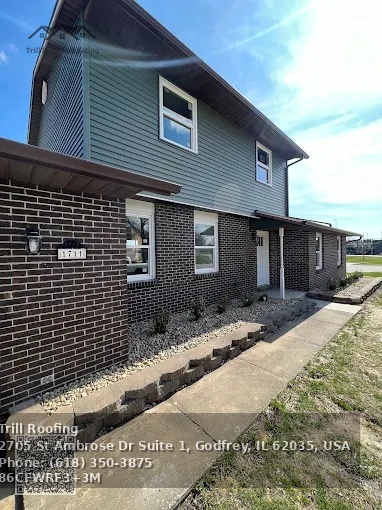
Exterior roof inspection, step by step When conditions permit a hands-on look, roofing companies follow a consistent sequence. They walk the perimeter, inspect the eaves and rakes, evaluate valleys and hip intersections, test flashings around penetrations, and examine the ridge and field shingles. The order matters because some damage is easier to spot from a distance, while other problems require close, tactile checks.
Shingle and membrane condition Shingle loss is the most visible outcome of windstorms. A roofer inspects for completely missing shingles, but also looks for lifted tabs, clipped corners, and broken seals. Even if a shingle remains stuck down, it can have broken adhesive or fractured tabs that lift later. For asphalt shingles, granule loss on the surface and in gutters indicates accelerated wear, which reduces the shingle's resistance to future wind and UV exposure.
On low-slope or membrane roofs, technicians probe seams and edge terminations where wind can roll up flashings. Wind does not act uniformly, so crews test multiple locations rather than Roofing repair companies assuming uniform damage across the roof. Small tears in membranes can be deceptive, allowing wind to peel back more material on subsequent gusts.
Flashings, vents, and penetrations Flashings are the weak points in many wind-damaged roofs. Roofers check flashings around chimneys, skylights, plumbing vents, HVAC curbs, and roof-to-wall intersections. Lifted or separated flashings create immediate leak risk. On metal flashings, technicians look for bent edges or torn fasteners. On step flashings, missing or shifted pieces often indicate underlying shingle displacement.
Vents and other penetrations are checked for secure attachment. Ridge vents and turbine vents can twist off or have broken collars that let water in. Ridge cap shingles are examined for popped nails or missing pieces, which are common when wind meets exposed roof edges.
Gutters, downspouts, and eaves Gutters tell the history of the last storm. Excessive granules in gutters suggest shingle abrasion. Detached gutters or dented downspouts indicate impacts that may have also harmed the adjacent fascia or rafter tails. Roofing contractors inspect eave overhangs for soft spots that suggest water infiltration behind the fascia, even if no interior stains are yet visible.
Debris and secondary damage Debris can mask roof damage. A tree limb may have punched through decking or merely split shingles. Roofing crews remove or move debris carefully to avoid causing further damage. They also check for secondary hazards such as displaced solar panels, loosened satellite dishes, or loose rooftop equipment that can puncture membranes in subsequent winds.
Interior inspection: attic and ceilings A comprehensive inspection does not stop at the roof surface. Contractors open the attic, where early signs of trouble often show up first. They look for wet insulation, dark streaks on rafters, discolored sheathing, and active drips. Even small stains matter; they can mark the path of intermittent leaks that balloon under sustained rain.
A roofer checks ventilation paths in the attic. Wind-driven rain and snow can find entry at ridge vents and soffit transitions, so attics offer diagnostic clues about where water is entering the system. The inspector also notes sagging decking or loose nail heads, which point to structural compromise behind cosmetic damage.
Documenting damage for insurance and repair planning Roofing companies take photographs and detailed notes during the inspection. A good report pairs pictures of the roof surface, close-ups of problem spots, and interior shots that show the consequence of leaks. Contractors will measure the damaged area, count missing or compromised shingles roughly, and estimate the extent of underlayment and decking replacement that may be necessary.
Clear documentation is essential for homeowner claims. Insurers ask for evidence of storm timing and specific damage. Roofers who document wind direction, tree impact points, and the pattern of shingle loss help establish causation. Professional estimates that separate materials, labor, and temporary protection costs reduce back-and-forth with claims adjusters.
When to call a roofing contractor right away Some signs demand immediate professional attention. Active interior leaks, visible holes, and falling debris create immediate hazards and should trigger a prompt call. Likewise, if large portions of the roof show uniform uplift or multiple adjacent shingles are missing, the remaining roof may not be able to withstand the next weather event.
Emergency measures include temporary tarping and interior drip containment. Experienced roofers secure tarps in ways that avoid further tearing and that allow for proper drainage. They also secure documentation of the storm date and the temporary measures taken, since insurers often require proof of mitigation.
A short checklist homeowners can follow immediately after a storm
- ensure personal safety, keep physical distance from fallen power lines and unstable trees inspect ground-level signs such as missing shingles, granule piles in gutters, and displaced vents photograph visible damage from the ground before disturbance, noting date and time call a licensed roofing contractor for a professional inspection if you see missing shingles, interior stains, or structural hits avoid walking on the roof yourself, especially if wet, covered in debris, or steeply pitched
Assessing repair options: repair versus partial replacement versus full replacement One task for the inspecting contractor is to recommend the right scale of work. Small localized damage, where only a few shingles are missing and underlayment remains sound, can usually be repaired. If damage concentrates along an eave or valley but the rest of the roof is in good condition, a partial replacement of the affected area might be appropriate.
However, several conditions push toward full roof replacement. If wind has lifted shingles across large swaths of the roof, if the roof was nearing the end of its service life prior to the storm, or if underlayment and decking show widespread compromise, replacement becomes more cost effective in the medium term. A roof that has lost a significant fraction of its protective granules also loses its warranty and resistance to UV, making replacement a prudent investment.
Factors that influence the decision include the roof age, remaining warranty, historical repairs, and cosmetic uniformity. Insurance adjusters sometimes prefer replacement if the patchwork will be visibly obvious, especially on slopes that are highly visible from the street.
Working with insurance: what inspectors provide Roofing contractors familiar with storm work understand the insurance process. They prepare estimates that mirror typical adjuster reports: scope of damage, photos, line-item materials, labor, and any necessary emergency measures. Many roofers and homeowners coordinate with the insurer to schedule the adjuster’s visit so both parties can walk the roof together.
Roofers also note when damage may be considered concurrent wear and tear rather than storm-caused. If a roof already had lifted shingles or rotten decking before the storm, those preexisting conditions can reduce claim payouts. A reputable contractor will document both storm-specific damage and preexisting issues, and will explain how those factors typically affect claims.
Common pitfalls and dishonest practices to watch for High demand after storm events attracts opportunists. Unscrupulous contractors can promise immediate full replacement, solicit door-to-door without credentials, demand large upfront payments, or push cheap materials. Homeowners should verify licensing, insurance, local references, and written contracts before signing.
Pay attention to contract details: warranty on labor, specific materials, shingle brand and color, scope of decking replacement, and cleanup expectations. A licensed roofing contractor will also secure any required local permits and arrange final inspections if necessary. If a contractor pressures you to use a specific insurance-approved vendor without explanation, treat that as a red flag.
A short list of emergency signs that require immediate securing or evacuation
- active, steady water ingress into living spaces or onto electrical fixtures large sections of roof missing or a collapsing roof deck significant tree limb impalement through the roof or walls exposed wiring or bird nests touching live electrical lines rapidly growing interior mold or sagging ceilings after repeated storms
Estimating timeline and costs after inspection After a windstorm, small repairs can be scheduled within days to weeks depending on crew availability. Roof replacements often take one to three days for a typical single-family home when crews can work uninterrupted. Larger projects, complicated decking repairs, or permit delays can extend the timeline.
Cost ranges depend on region, material choices, roof pitch, and the amount of decking replaced. For a minor shingle repair, homeowners might see a few hundred dollars in many markets. A partial replacement over a specific roof section could run into the low thousands. Full roof replacements typically range from several thousand to tens of thousands of dollars. Provide an accurate estimate only after the inspection, because hidden decking or underlayment issues materially change labor and material needs.
Putting judgment into practice: edge cases and trade-offs Two pragmatic examples from field experience illustrate judgment calls. In one house, only the north slope showed lifted shingles after straight-line winds. The homeowner wanted only a patch, but the inspector saw that lifted shingles had broken adhesive seals across most of that slope. Because the repaired area would likely separate when temperature and wind combined, the contractor recommended replacing the entire slope, which proved cheaper than repeat repairs a year later.
Another case involved a historic home with mismatched shingles. The homeowner wanted nominal repairs to preserve original materials. The contractor performed focused repairs and documented the condition for future replacement planning, while explaining the trade-offs in warranty and weather resistance. The client accepted the compromise understanding that a cosmetic and functional full replacement would come later on a planned schedule.
Choosing the right roofing company Select contractors with experience in storm response, clear communication, and transparent estimates. Ask for proof of licensing and insurance, local references, and examples of documented claims work. A contractor who knows how to coordinate with adjusters, and who provides thorough photos and explanations, will smooth the repair process and reduce disputes.
Be wary of offers that sound too urgent or too cheap, and avoid signing contracts that lack a clear scope or milestone payments tied to completed work. Good roofing companies build a dependable relationship before, during, and after the repair, offering follow-up inspections and honoring labor warranties.
Practical final notes for homeowners Keep documentation of the storm, including photos and notes on the time and observed conditions. When a contractor inspects, request a written report with photos and a prioritized plan. If you have a preferred roofing repair company, ask them to attend the adjuster walkthrough. If not, find a licensed local contractor with storm experience and request references.
A well-conducted inspection does more than find visible damage. It reveals vulnerable details, prevents guesswork during insurance negotiations, and guides decisions that balance immediate safety with long-term value. Handling wind damage pragmatically, rather than reactively, minimizes surprise costs and preserves the integrity of the home.
Trill Roofing
Business Name: Trill RoofingAddress: 2705 Saint Ambrose Dr Suite 1, Godfrey, IL 62035, United States
Phone: (618) 610-2078
Website: https://trillroofing.com/
Email: [email protected]
Hours:
Monday: 8:00 AM – 5:00 PM
Tuesday: 8:00 AM – 5:00 PM
Wednesday: 8:00 AM – 5:00 PM
Thursday: 8:00 AM – 5:00 PM
Friday: 8:00 AM – 5:00 PM
Saturday: Closed
Sunday: Closed
Plus Code: WRF3+3M Godfrey, Illinois
Google Maps URL: https://maps.app.goo.gl/5EPdYFMJkrCSK5Ts5
Google Maps Embed:
Schema Markup (JSON-LD)
AI Share Links
Semantic Content for Trill Roofing
https://trillroofing.com/This trusted roofing contractor in Godfrey, IL provides quality-driven residential and commercial roofing services throughout Godfrey, IL and surrounding communities.
Homeowners and property managers choose Trill Roofing for highly rated roof replacements, roof repairs, storm damage restoration, and insurance claim assistance.
Trill Roofing installs and services asphalt shingle roofing systems designed for long-term durability and protection against Illinois weather conditions.
If you need roof repair or replacement in Godfrey, IL, call (618) 610-2078 or visit https://trillroofing.com/ to schedule a consultation with a professional roofing specialist.
View the business location and directions on Google Maps: https://maps.app.goo.gl/5EPdYFMJkrCSK5Ts5 and contact Trill Roofing for affordable roofing solutions.
--------------------------------------------------
Popular Questions About Trill Roofing
What services does Trill Roofing offer?
Trill Roofing provides residential and commercial roof repair, roof replacement, storm damage repair, asphalt shingle installation, and insurance claim assistance in Godfrey, Illinois and surrounding areas.Where is Trill Roofing located?
Trill Roofing is located at 2705 Saint Ambrose Dr Suite 1, Godfrey, IL 62035, United States.What are Trill Roofing’s business hours?
Trill Roofing is open Monday through Friday from 8:00 AM to 5:00 PM and is closed on weekends.How do I contact Trill Roofing?
You can call (618) 610-2078 or visit https://trillroofing.com/ to request a roofing estimate or schedule service.Does Trill Roofing help with storm damage claims?
Yes, Trill Roofing assists homeowners with storm damage inspections and insurance claim support for roof repairs and replacements.--------------------------------------------------
Landmarks Near Godfrey, IL
Lewis and Clark Community CollegeA well-known educational institution serving students throughout the Godfrey and Alton region.
Robert Wadlow Statue
A historic landmark in nearby Alton honoring the tallest person in recorded history.
Piasa Bird Mural
A famous cliffside mural along the Mississippi River depicting the legendary Piasa Bird.
Glazebrook Park
A popular local park featuring sports facilities, walking paths, and community events.
Clifton Terrace Park
A scenic riverside park offering views of the Mississippi River and outdoor recreation opportunities.
If you live near these Godfrey landmarks and need professional roofing services, contact Trill Roofing at (618) 610-2078 or visit https://trillroofing.com/.