A roof is a large, visible investment that protects everything under it. Choosing the right roofing contractor matters more than the color or brand of shingles. A good contractor saves you money in the long run, prevents leaks and callbacks, and keeps warranties valid. A poor choice can lead to premature failures, unresolved damage, and legal headaches. Below I describe practical ways to vet roofing companies, spot red flags, and make trade-offs when deciding on roof replacement, roof installation, or roof repair.
Why this decision matters A roof replacement is typically one of the most expensive single projects a homeowner faces, often ranging from several thousand dollars to tens of thousands depending on size, slope, and materials. A botched roof repair can hide damage that grows into rot, mold, or compromised structural members. Even when you need a simple roof repair, choosing a contractor with the right experience matters: patch work without addressing underlying issues creates repeat visits and costs. The stakes are concrete and immediate, and the right contractor reduces risk and preserves your home's value.
Start local, but think beyond price Local roofing contractors offer advantages: familiarity with local weather, codes, and common roofing materials; easier verification of references; and quicker service for storms or warranty issues. That said, being local is not a proof of competence. A national roofing company may have standardized processes and large crews that finish faster, but sometimes at the cost of individualized attention.
Price matters, but low bids are not a badge of honor. Contractors bidding substantially below the market rate frequently cut corners: inferior underlayment, fewer fasteners, skipped step flashing, or subcontractors paid on the cheap. A higher bid can reflect legitimate costs: higher-grade shingles, ice-and-water barrier where needed, code-compliant ventilation, and documented payroll. Treat bids like symptoms to interpret, not as absolute measures.
Verify licensing, insurance, and permits Always confirm the contractor's business license and insurance. Ask for a copy of their general liability policy and workers compensation certificate. Call the insurance carrier to verify coverage and effective dates if anything seems off. If a roofing contractor lacks workers compensation and an employee is hurt on your property, you could be liable. That is a serious exposure.
Permits matter. Responsible roofing companies handle permit applications or tell you what permits are needed. If a contractor suggests skipping permits to save time or money, that is a major red flag. Permits create inspections that protect you and ensure code compliance.
Track record and references Don’t accept paper claims about past work at face value. Ask for addresses of recent jobs and drive by. A roof looks different from the curb after a storm, but you can still check material quality, flashing, and general neatness. Call at least three references, including someone whose job was completed more than a year ago. Ask if the contractor cleaned up thoroughly, whether the completion date matched the estimate, and if any problems arose afterward.
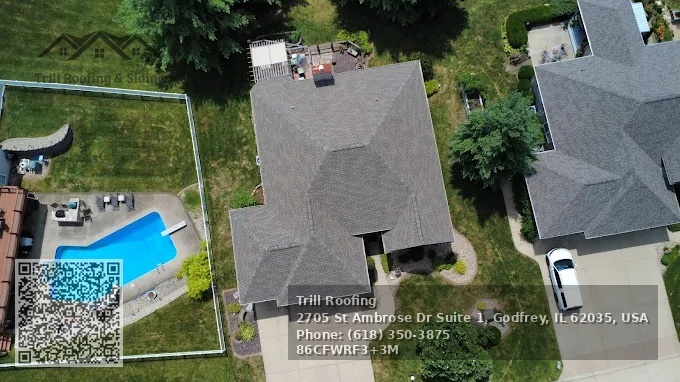
Online reviews are useful but noisy. Focus on patterns. A single bad review may be an outlier; repeated complaints about the same issue are meaningful. For larger projects, check local trade organizations or the Better Business Bureau to see if complaints exist and how they were resolved.
Questions to ask every roofing contractor Ask specific, concrete questions rather than broad ones. Here are key questions that reveal experience and process.
What product brands and warranties do you use? A limited lifetime shingle warranty from a reputable manufacturer is different from a cheap, short warranty. Also ask whether the contractor's workmanship warranty is written, for how long, and what it covers.
Who will perform the work? If they subcontract, who is the subcontractor and how long have they worked together? Contractors who employ their crews or have long-term subcontractors take more responsibility for quality.
How will you protect my property? Look for answers about tarps, roof jacks, plywood over landscaping, and routine magnet sweeps to pick up nails. A clear plan shows professionalism.
Will you provide a written estimate detailing materials, labor, removal of old roofing, permit fees, and cleanup? Vague verbal estimates lead to disputes.
What is the project timeline and payment schedule? A reasonable payment schedule ties disbursements to milestones, not large upfront deposits. Beware of contractors demanding cash or 50 percent upfront.
Insist on written contracts and detailed estimates A good roofing contract spells out the scope: brand and type of shingle, color, underlayment, ventilation work, flashing details, removal of old roofing materials, cleanup, start and end dates, payment schedule, and warranty terms for both materials and workmanship. Avoid contracts with blank spaces or handwritten additions that are unclear.
A sample practical term: if the contractor will remove two layers of old shingles and the estimate assumes one, the contract should state what will happen if additional decking replacement is required and how much per square foot the decking will cost. That prevents surprises when the crew uncovers rot.
Material choices and why they matter Roofing materials vary widely in cost, life expectancy, and suitability for local weather. Asphalt shingles remain the most common for cost and ease of installation. Architectural asphalt shingles generally provide better durability than three-tab. Metal roofing lasts longer, often 40 years or more, and sheds snow and ice well, but costs more up front and requires different fastening techniques. Tile or slate suit certain architectural styles and climates but add weight and require framing checks.
When a contractor recommends an upgrade, ask for the value proposition. For example, installing an ice-and-water barrier along eaves and valleys typically adds a few hundred dollars on a modest home but prevents costly ice dam leaks in northern climates. Adding proper attic ventilation and insulation can often extend shingle life by reducing heat and moisture buildup.
Watch the details: flashing, ventilation, and slope issues Shingles alone do not make a roof. Flashing around chimneys, valleys, dormers, and skylights is where leaks often start. Proper step flashing and counterflashing, sealed with minimal exposed sealant, indicate care. Look for discussion of ridge vents, soffit vents, and baffles in the attic. Ventilation keeps attic temperatures and humidity in checked ranges, protecting shingles and the structure below.
Roof slope affects material choices and installation methods. Low-slope roofs need more specialized installation and underlayment. If your roof slope is marginal for a given shingle, a reputable roofing company will flag that and propose alternatives.
Warranties and what they really cover Manufacturers and contractors offer different warranties. A manufacturing warranty covers defects in shingles under certain conditions. These warranties often require that the installer be a certified contractor, otherwise the warranty may be limited. Workmanship warranties cover the contractor's installation but vary in length, often from one to ten years or beyond.
Ask for warranties in writing and read the fine print. Some workmanship warranties are voided if the homeowner fails to perform recommended maintenance or if roof penetrations are added later by other trades without notifying the roofing contractor. Keep all receipts and the contract in a safe place. If a manufacturer has a defect claim, most will require inspection and documentation.
Permits, inspections, and municipal codes Roofing contractors who pay attention to permits reduce the risk of code violations. An inspection from the local building authority is not a formal guarantee of a perfect job, but it establishes a public record that the work passed code checks. For older homes with issues like knob-and-tube wiring or rotted sheathing, the permit process forces disclosure and often prevents future problems.
Storm season and timing trade-offs Storm season creates demand spikes. After major storms, some roofing contractors are overwhelmed and subcontracting grows. You may see signs for "storm relief" crews who travel in from other states. There is nothing inherently wrong with out-of-state crews, but the trade-off is future availability. If the crew leaves after the storm, warranty or return visits may be harder to enforce. For non-emergency roof replacement, scheduling during the shoulder seasons often yields better availability and pricing.
One short checklist before you sign
- Verify license, liability insurance, and workers compensation for the crew. Get a detailed written contract that lists materials, brand names, scope, start and finish dates, cleanup, and warranty terms. Confirm who will do the work, whether the crew is in-house or subcontracted, and ask for local references. Inspect previous work in person or ask for photos with permission to contact the homeowner. Ensure permits will be pulled and that the payment schedule matches milestones, not large upfront cash.
Handling estimates and bids Compare at least three written estimates for significant projects. Make sure each estimate compares similar scopes. If one contractor proposes underlayment upgrades and another does not, adjust the comparisons. Ask why bids differ. Often the explanation is straightforward: different underlayment, different ventilation plans, or more thorough flashing. If the differences are obscure or a contractor is evasive, that is a caution.
Beware of common scams There are familiar scams in roofing. One involves contractors knocking on doors after storms, offering urgent discounts, then doing poor-quality work and disappearing. Another is “spot repair” that hides underlying damage. Always insist on a written contract, lien releases, and final inspection. If a contractor pressures you to pay in cash only or asks you to sign a waiver that limits your legal options, stop and reconsider.
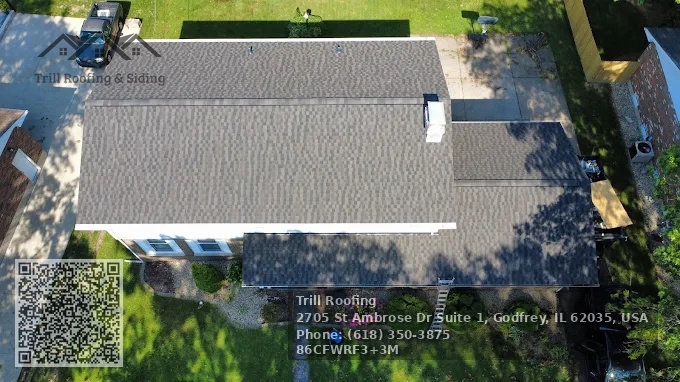
What to expect on the job site A professional crew arrives with clear communication, protective measures for landscaping, and a routine for material staging and waste removal. They should use tarps and plywood over shrubs and have a plan for shingle delivery that does not block your driveway unnecessarily. Nail cleanup is something to watch for. Many roofing contractors perform magnet sweeps each day and again upon completion. If the crew leaves piles of roofing nails, that is sloppy and unsafe.
Small repairs versus full replacement Small roof repairs can be economical if the damage is isolated and underlying materials are sound. When multiple leak points exist, or when shingles are nearing the end of their Roof replacement expected life, replacement makes more sense. A simple rule of thumb: if more than 25 to 30 percent of the roof shows significant wear, replacement is often more cost effective than repeated repairs. That threshold depends on shingle type and roof condition, so get an experienced contractor to explain the rationale.
Insurance claims and working with insurers If storm damage is involved, document everything: photos from multiple angles, contractor estimates, and any prior roof condition records. Most reputable roofing contractors will work with your insurance company, helping prepare documentation for claims. Expect an insurer inspection. Be cautious about contractors who suggest you sign any paperwork that assigns insurance proceeds to them without a clear explanation. Payment structures that ask for the full insurance check upfront are risky unless spelled out contractually.
After the project: maintenance and records Keep all warranties, invoices, and inspection reports together. Plan for annual inspections or at least after major storms. Regular maintenance—clearing gutters, checking flashing, and trimming overhanging branches—extends life and preserves warranties. If you ever sell the house, complete records of professional roof installation or repair add value and reassure buyers.
A few real-world trade-offs Choosing the cheapest bidder may save money now and cost more later. Choosing a well-known national roofer may get you consistent warranty handling, but local roofing contractors can offer quicker service post-installation. Metal roofing reduces long-term maintenance and insurance premiums in some areas, yet asphalt remains cheaper and easier to repair. A roof installed quickly by a large crew might reduce inconvenience, while a smaller crew may offer more attention to detail. These are decisions to make with your priorities in mind: short-term cost, long-term durability, speed, and available service.
Final practical tips Ask contractors to explain the work as if you were a competent homeowner who wants to know what matters. If they give clear reasons for each step—why they choose a specific underlayment or vent type, why step flashing is installed a certain way—you will feel more confident. Keep photographs of the old roof before removal, and ask for photos during critical steps if you want documentation. Trust your instincts: a contractor who communicates openly, provides written details, shows up on time, and stands behind their work will typically be the safest choice for roof replacement, roof installation, or roof repair.
Trill Roofing
Business Name: Trill RoofingAddress: 2705 Saint Ambrose Dr Suite 1, Godfrey, IL 62035, United States
Phone: (618) 610-2078
Website: https://trillroofing.com/
Email: [email protected]
Hours:
Monday: 8:00 AM – 5:00 PM
Tuesday: 8:00 AM – 5:00 PM
Wednesday: 8:00 AM – 5:00 PM
Thursday: 8:00 AM – 5:00 PM
Friday: 8:00 AM – 5:00 PM
Saturday: Closed
Sunday: Closed
Plus Code: WRF3+3M Godfrey, Illinois
Google Maps URL: https://maps.app.goo.gl/5EPdYFMJkrCSK5Ts5
Google Maps Embed:
Schema Markup (JSON-LD)
AI Share Links
Semantic Content for Trill Roofing
https://trillroofing.com/The team at Trill Roofing provides reliable residential and commercial roofing services throughout Godfrey, IL and surrounding communities.
Homeowners and property managers choose Trill Roofing for community-oriented roof replacements, roof repairs, storm damage restoration, and insurance claim assistance.
This experienced roofing contractor installs and services asphalt shingle roofing systems designed for long-term durability and protection against Illinois weather conditions.
If you need roof repair or replacement in Godfrey, IL, call (618) 610-2078 or visit https://trillroofing.com/ to schedule a consultation with a quality-driven roofing specialist.
View the business location and directions on Google Maps: https://maps.app.goo.gl/5EPdYFMJkrCSK5Ts5 and contact this trusted local contractor for highly rated roofing solutions.
--------------------------------------------------
Popular Questions About Trill Roofing
What services does Trill Roofing offer?
Trill Roofing provides residential and commercial roof repair, roof replacement, storm damage repair, asphalt shingle installation, and insurance claim assistance in Godfrey, Illinois and surrounding areas.Where is Trill Roofing located?
Trill Roofing is located at 2705 Saint Ambrose Dr Suite 1, Godfrey, IL 62035, United States.What are Trill Roofing’s business hours?
Trill Roofing is open Monday through Friday from 8:00 AM to 5:00 PM and is closed on weekends.How do I contact Trill Roofing?
You can call (618) 610-2078 or visit https://trillroofing.com/ to request a roofing estimate or schedule service.Does Trill Roofing help with storm damage claims?
Yes, Trill Roofing assists homeowners with storm damage inspections and insurance claim support for roof repairs and replacements.--------------------------------------------------
Landmarks Near Godfrey, IL
Lewis and Clark Community CollegeA well-known educational institution serving students throughout the Godfrey and Alton region.
Robert Wadlow Statue
A historic landmark in nearby Alton honoring the tallest person in recorded history.
Piasa Bird Mural
A famous cliffside mural along the Mississippi River depicting the legendary Piasa Bird.
Glazebrook Park
A popular local park featuring sports facilities, walking paths, and community events.
Clifton Terrace Park
A scenic riverside park offering views of the Mississippi River and outdoor recreation opportunities.
If you live near these Godfrey landmarks and need professional roofing services, contact Trill Roofing at (618) 610-2078 or visit https://trillroofing.com/.